
UFO Catchers & Crane Games: How They Work, Why Japan Perfected Them, and Where to Play Online
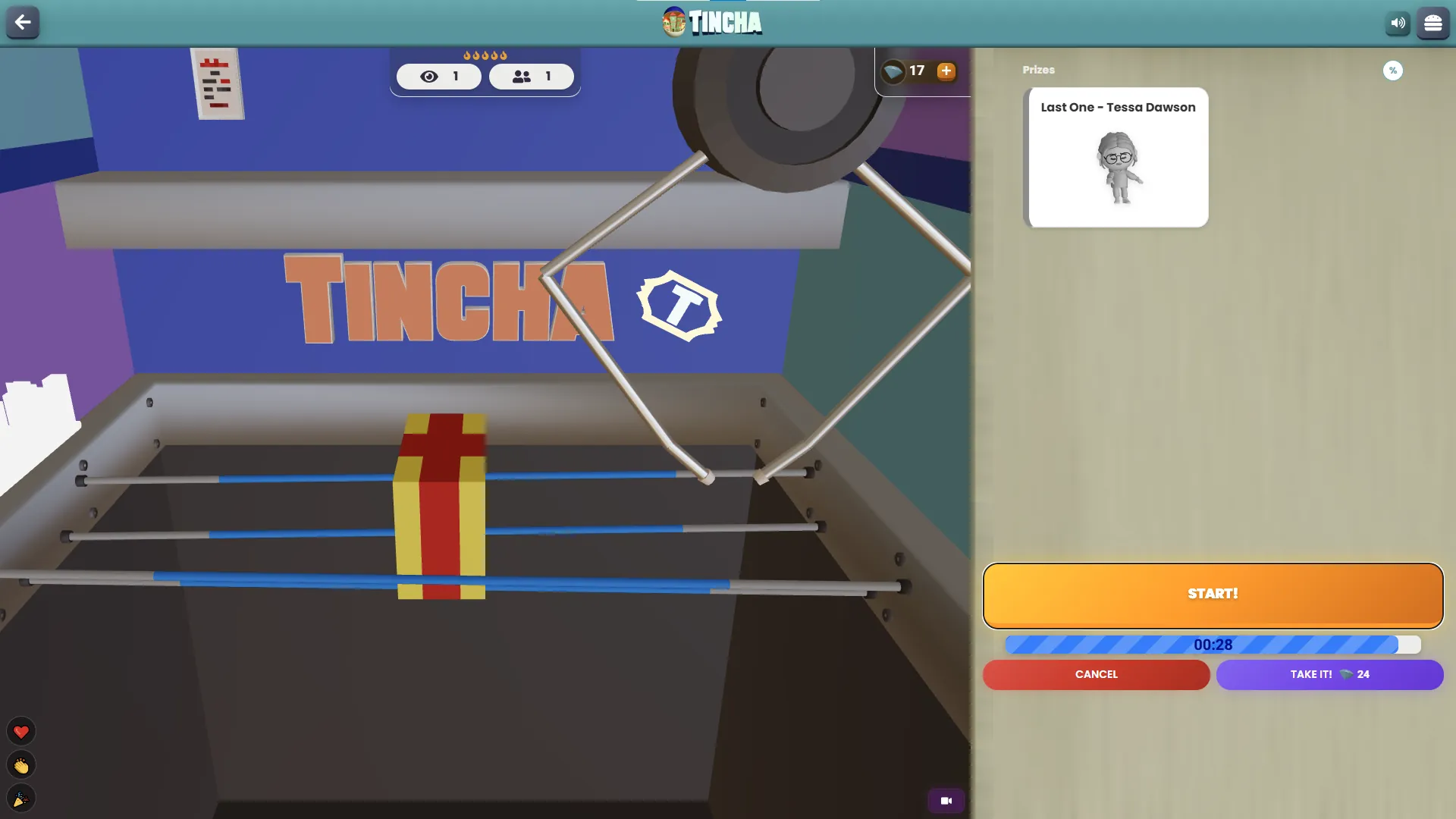
If you've ever watched someone in a Japanese arcade lift a giant plushie with surgical precision, you've seen a UFO catcher at work. Outside Japan we call them crane games or claw machines, but they're not quite the same thing — and understanding how these machines actually work, from the motor in the claw to the payout settings in the operator menu, is the difference between throwing money away and winning.
Quick answer: a UFO catcher is the Japanese style of crane game, named after Sega's 1985 "UFO Catcher" cabinet. It typically uses a two-pronged claw and skill-based prize positioning rather than pure grip strength. All crane games work the same way inside: a motorized gantry moves the claw on X/Y axes, a winch lowers it, and an operator-set voltage controls grip strength — which is why machines feel "strong" on some grabs and limp on others.
What is a UFO catcher? (And how it differs from a Western claw machine)
The name comes from Sega's UFO Catcher, released in Japan in 1985, whose claw unit vaguely resembled a flying saucer. The name stuck and became the generic Japanese term for the whole category.
The differences are more than branding:
- Two prongs vs three. Most Japanese UFO catchers use a two-pronged claw, while Western machines usually use three. Two prongs grip less — so Japanese machines are designed around moving and nudging prizes toward a chute over multiple plays, not lifting them in one grab.
- Skill-forward design. Japanese arcades commonly reposition prizes for you, teach techniques, and design setups (bridge stacks, ring pulls, sliding boxes) where strategy beats luck.
- Western machines lean on grip strength settings. A typical three-prong machine decides most outcomes through its payout configuration: grip is strong only every N plays.
If you've only played mall claw machines, a UFO catcher feels like a different sport — closer to a physics puzzle than a slot machine.
How a crane game works, step by step
Every claw machine — arcade UFO catcher or supermarket crane — has the same anatomy:
- Gantry system. Two motors move a trolley along X and Y rails across the top of the cabinet. Your joystick or buttons drive these motors.
- Winch and claw. Press drop, and a winch lowers the claw on a cable. The claw is usually open on the way down.
- Grip solenoid or motor. At the bottom, an electromagnet or motor closes the prongs. The voltage sent to this mechanism determines grip strength — and the operator sets it.
- Payout logic. Most modern machines have a configurable payout rate (for example, full grip strength one play in N, weak grip otherwise). This is why a claw can "carry" a prize halfway and then relax — the machine delivered exactly the grip it was programmed to.
- Prize detection. A sensor in the chute registers wins, which feeds back into the payout cycle.
Understanding points 3 and 4 changes how you play: on grip-controlled machines, technique can't overcome a weak-grip play, but on skill-style setups (common in Japan), positioning and physics genuinely decide the outcome. Our guide to claw machine types and spotting rigged machines goes deeper into reading a machine before you spend.
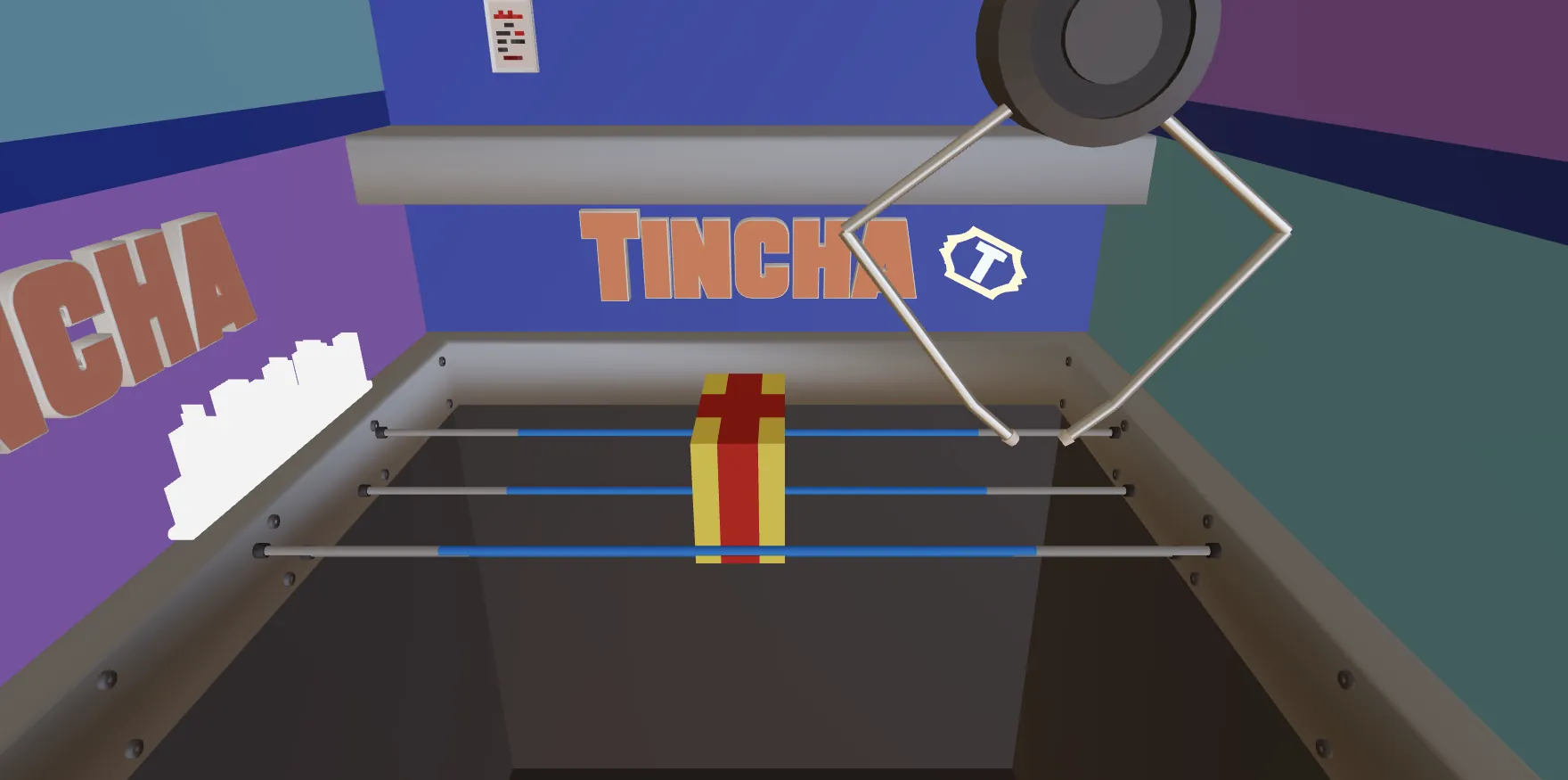
Practice Crane Game Technique - Free
TINCHA's 3D claw machines run on real physics: positioning, swing and grip all matter. Sharpen your technique without feeding coins into a machine.
Play Now!Why Japanese crane game culture is different
In Japan, crane games are a serious industry — arcades dedicate entire floors to UFO catchers, prizes include exclusive anime figures you can't buy in stores, and staff will openly help you win (a happy winner attracts a crowd). Techniques have names and communities: the bridge technique (walking a box across two rails), ring pulls, tag grabs, and pendulum swings are studied like speedrun strats.
This skill-and-spectacle culture is also where gachapon capsule machines thrive side by side with UFO catchers — two takes on the same "pay, hope, win" thrill, one skill-based and one pure chance. If you're curious about that half of the arcade, read our history of gachapon machines.
Can you play crane games online?
Yes — in two very different ways:
Real machines over video. Services like Toreba stream physical Japanese UFO catchers to your phone; you pay per play and winnings ship from Japan. Authentic prizes, real costs — see our comparison of real-prize vs free virtual claw games before buying credits.
Physics-based virtual crane games. Free games simulate the machine in 3D. TINCHA is built around this: physics-based 3D claw machines and gachapon in your browser, where grabs obey real weight, swing, and grip mechanics — so the techniques that matter in a Japanese arcade (positioning, pendulum momentum, going for the tag instead of the body) actually matter in-game. Prizes are collectible characters and items you use to build stores in a shared city, and daily free spins mean there's no per-play cost. It runs on desktop and mobile browsers with no download.
The virtual route is also simply the best way to practice crane game technique without feeding coins into a machine.
Frequently Asked Questions
What does UFO catcher mean?
"UFO catcher" is the Japanese term for a crane game, originating from Sega's 1985 UFO Catcher cabinet, whose claw unit resembled a flying saucer. The trademark became the generic name for claw machines across Japan.
How do claw machines decide when you win?
Most modern machines use an operator-configured payout rate: the claw grips at full strength only on a fraction of plays and weakly otherwise. Skill-style machines (common in Japanese arcades) instead rely on prize positioning and physics, where technique genuinely determines the outcome.
Why do Japanese claw machines have two prongs?
Two-pronged claws grip less than three-pronged ones, which is intentional: Japanese UFO catchers are designed around nudging and sliding prizes toward the chute across several plays, rewarding strategy over single lucky grabs.
Can I play a crane game online for free?
Yes. TINCHA offers free physics-based 3D claw machines and gachapon in any modern browser at play.tincha.se — no download, no per-play cost, with daily bonus spins.
Are UFO catchers rigged?
Operators control grip strength and payout frequency, so the odds are managed — but Japanese skill-style setups are winnable with technique, and staff often assist players. Learn to tell payout-controlled machines from skill-based ones in our claw machine types guide.
Your Browser Is an Arcade Now
3D crane games with real physics, gachapon machines, and a city to build with your prizes. Free, no download, desktop and mobile.
Play Now!Related reading:
Keep Exploring
- 10 Cozy Indie City-Building Games You’ll Love (2025)
- 7 Best Free Browser Games to Play Right Now (2026)
- Best Free Multiplayer Browser Games in 2026 (No Download)
- Free Browser Management Games You Can Play Without Downloading (2026)
- Free Shop Management Game Online: Build, Staff and Upgrade Your Stores
- What Is Gachapon? History, How It Works & Where to Play (2026)
- How to Play Claw Machines Online for Free in 2026
- Online Claw Machines: Real Prizes vs Free Virtual Games (2026)
- The Ultimate Guide to Online Claw Machines and Gachapon Platforms
- Claw Machine Types & Tips: Win More, Spot Rigged Ones